Inside the New UK Global Talent Design Route
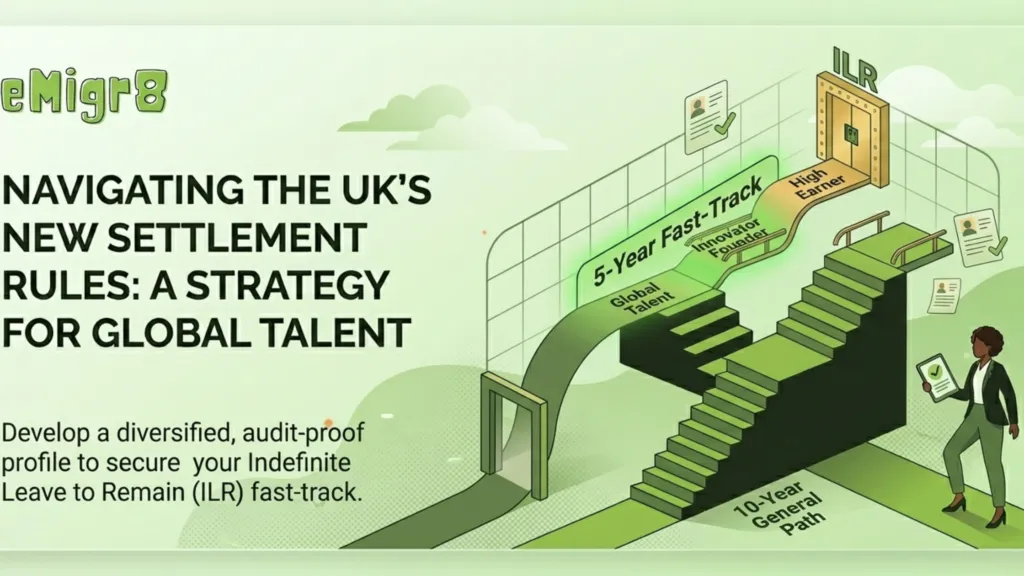
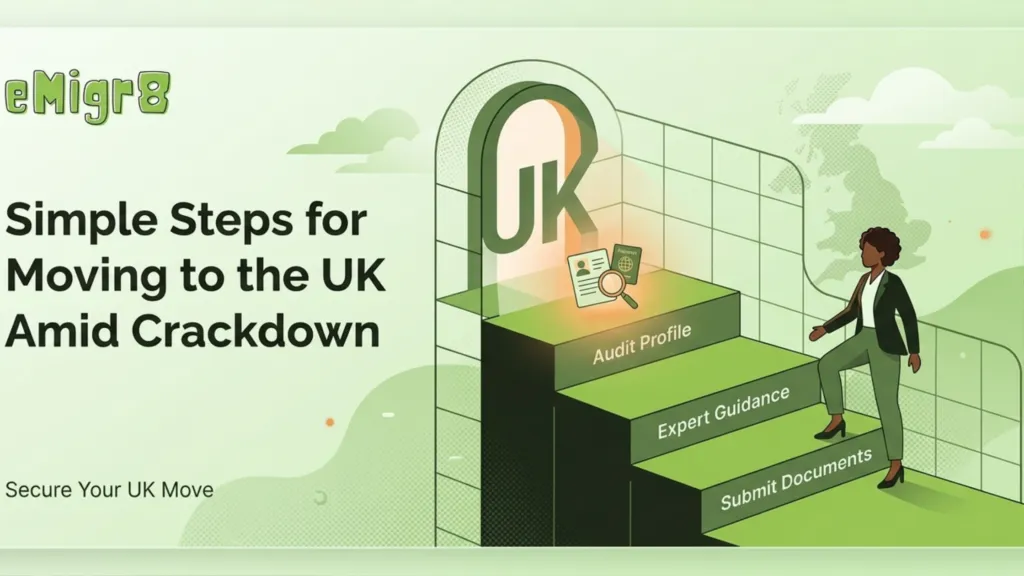
On 1 July 2026, Arts Council England published updated guidance for the UK Global Talent Visa’s Design route. For international creators, this is a significant update that brings unprecedented clarity around who can apply, what evidence is required, and which specific disciplines fall within the new pathway. The biggest takeaway from this update is simple: the Design pathway is highly specialized, but it is not for every type of designer. UX design, UI design, digital service design, and other digital technology roles continue to apply through the Digital Technology (Tech Nation) pathway. Before you spend months preparing an application, your absolute first step must be ensuring that you are targeting the correct endorsing body. What is the UK Global Talent Design Pathway? The UK Global Talent Visa allows highly skilled professionals to live and work in the UK without needing traditional, restrictive employer sponsorship. For creators, endorsement under this new framework is handled through Arts Council England, with the Design Business Association (DBA) assessing applications on behalf of the Arts Council. The route is split into two distinct professional tiers: Who Can Apply Through the New Design Route? The updated guidance clarifies that the Design pathway is strictly intended for designers working in commercial design contexts or in the design and production of products, services, and systems intended for mass production or broad use. Your official job title matters less to the DBA than the actual functional, commercial nature of your daily practice. The supported disciplines include: Visual & Brand Systems: Graphic design, brand design, and motion graphics design (note: this strictly excludes motion graphics created for Film and TV platforms). The Boundary Line: Who Must Still Apply Through Tech Nation? A persistent point of confusion around the new guidance is whether the Design pathway replaces the existing digital route. It does not.UX design, UI design, digital service design, and other digital technology roles continue to apply through the Digital Technology (Tech Nation) pathway. This includes: This distinction is critical. Applying under the wrong route will lead to your application being returned as completely ineligible, meaning it won’t even be taken through to a full technical assessment, regardless of how strong your portfolio is. The Evidential Blueprint: What Do You Need? The Design route is entirely evidence-driven. The DBA expects a structured portfolio that explicitly proves independent professional recognition rather than simple academic achievement. The evaluation relies on three main foundational components: 1. The Professional CV Your CV must outline your full professional design career and education. It must feature specific dates including both the month and the year, for every single role, project, or engagement. Crucially, a link or printout of a LinkedIn profile alone is not acceptable. Your CV must include an accessible link to your live portfolio website to view past and current projects, alongside links to platforms that show your work’s public reach. 2. Three Mandatory Letters of Support You must submit three specific, dated, and signed letters written by senior executives within recognized design organizations. General testimonials or reference letters are rejected automatically. Every letter must explicitly detail your past achievements, explain why you are a leader or future leader, and outline exactly how your presence would benefit the UK’s design ecology. 3. Up to 10 Pieces of Additional Evidence You can submit a maximum of ten individual pieces of physical evidence, distributed across at least two of the following categories: Note: Student projects, degree shows, masterclasses, and general personal social media promotion are not accepted as valid evidence. What Kind of Work is Strictly Disallowed? To help designers understand exactly where they belong, the update provides a strict list of disciplines that are not supported under this functional, commercial route: Frequently Asked Questions Q: Can I use team-based projects or agency work as part of my 10 pieces of evidence if I do not own the intellectual property? A: Yes, but if you do not own the IP or the work was highly collaborative, you must include a separate supporting document from the lead designer or a senior manager from that project. This document must explicitly detail your individual, significant contribution to that specific work. Q: Are contracts or offer letters acceptable to prove my design appearances or exhibitions? A: No. The DBA guidelines state that contracts or invitations are not acceptable because they do not provide physical proof of actual participation. You must provide live programs, published reviews, or verified listings. Q: What is the fastest way to know if my portfolio fits the DBA or Tech Nation? A: The line between digital product design and strategic/service design can be thin. The best approach is to run a technical audit of your core evidence metrics and job descriptions before submitting anything to the Home Office. Take Control of Your Global Journey The new UK Global Talent Design Pathway gives commercial creators a beautifully tailored, unsponsored route to the UK, but it demands an exceptionally high standard of administrative and visual compliance. The strongest applications are those that are meticulously matched to the correct endorsing body, backed by hard distribution data, and presented with absolute clarity. Don’t leave your international career to guesswork or risk a sudden ineligibility rejection. Take the leverage back into your own hands by using our helpful eMigr8 resources today: